Differences that help you choose between tables
Roulette, blackjack, baccarat, and poker seem close at first glance. But the reading changes when you observe who decides, when the round moves forward, and how much control each format asks from the player.

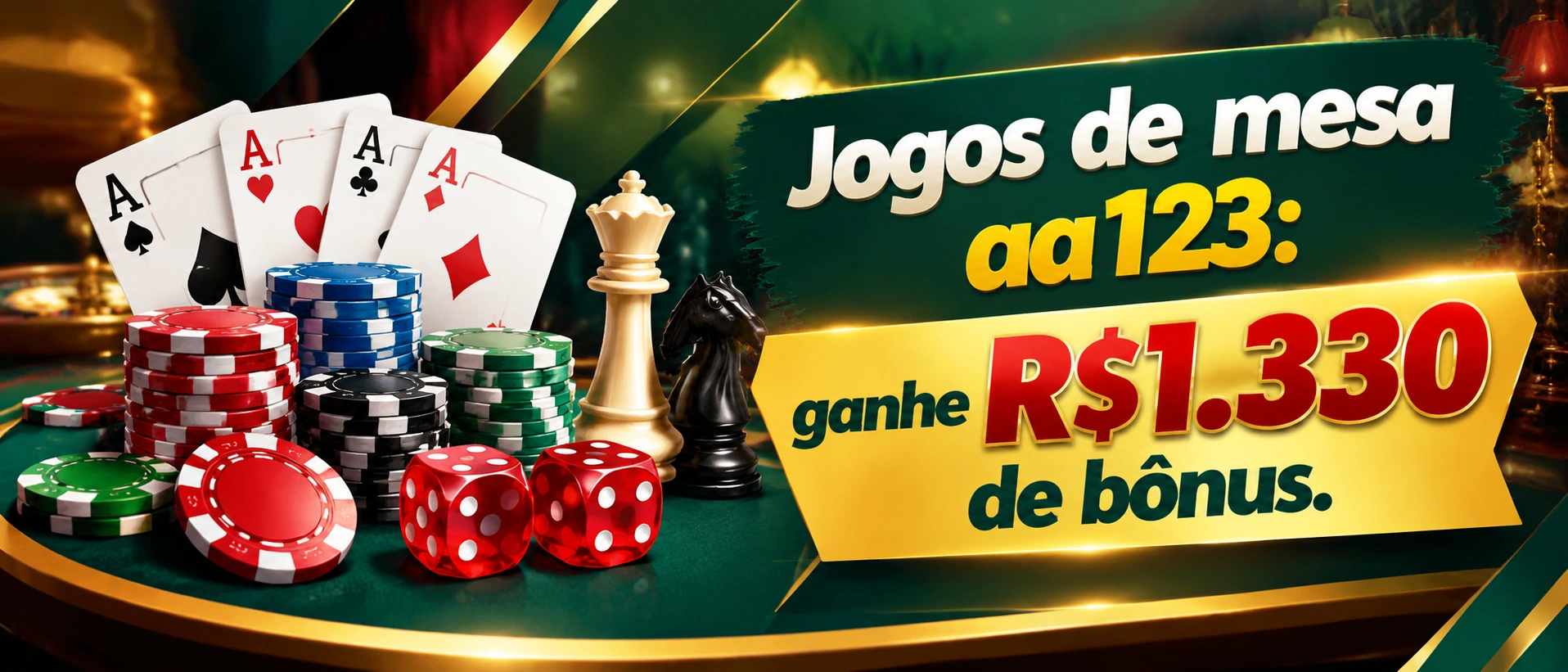
Promotional image focused on table games. Before continuing to any external destination, check the conditions presented at the original source.
Start with the right question
People looking for table games usually do not want a generic list. They want to separate what is easy to follow, what requires more reading of the round, and what demands constant attention to the choices made throughout the hand. This filter matters more than the game name.
In practice, the central point is the type of decision. In some formats, participation is reduced to a bet and waiting for the result. In others, each step changes the path of the round. That difference changes the pace, the concentration, and even the way you compare tables within aa123.
If the question is “which game suits me?”, the answer usually appears when you look at the mechanics, not the table’s appearance.
That is why it is worth reading each option as a small system. Roulette tends to be direct; blackjack requires a sequence of decisions; baccarat works with quick reading of the matchup between sides; poker increases the importance of context, position, and observation. The same environment, four ways of thinking.
Ask about the type of decision
Before choosing a table, it is worth turning curiosity into a practical question: how much control do you want to exercise during the round? That answer helps avoid choices made only because the game name feels familiar. In more direct games, attention is concentrated on the betting moment and the final result. In games with more steps, the reading needs to follow each move, because the decision now changes what makes sense later. This criterion is useful for comparing options without mixing personal preferences with expectations of ease.
It also helps to observe whether the game calls for immediate reading or accumulated analysis. There are tables where the essential thing is understanding the flow of a single round, without needing to keep many previous elements in mind. In others, interpretation improves when you follow patterns, positions, combinations, or the sequence of actions. When that difference becomes clear, it is easier to see whether you prefer a more objective experience or a format where constant observation is part of the dynamic. The point is not to look for the “simplest” game, but the one that matches the way you follow the table.
Another important filter is the level of participation between one round and the next. Some games leave little room for interference after the initial bet, which suits those who only want to follow the outcome. Others keep the player involved for longer, requiring successive decisions and more care with the immediate context. This distinction changes the sense of pace and also the mental load of the session. When you understand this before starting, you avoid comparing games that work in very different ways as if they all required the same stance.
If the idea is to compare options within aa123, start with what each table demands in terms of attention, not with what it promises in appearance. A good comparison considers whether the game calls for quick reaction, reading visible probabilities, observing participant behavior, or simply following the result. That way, the choice becomes more objective and less dependent on impulse. Instead of asking which game looks more attractive at first glance, the more useful question is: in which table can I decide clearly without forcing a play style that is not mine?
This kind of question also makes it easier to keep expectations realistic. When you enter knowing what you need to observe, it becomes simpler to identify whether the table fits a lighter gaming moment or a session where you want to follow details more closely. The decision stops being abstract and starts taking your own pace into account. In the end, choosing table games well begins by recognizing the type of involvement you want to have, because that guides both the reading of the round and the way you evaluate each option over time.
Four tables, four rhythms
It does not make sense to treat all table games as if they were the same. The comparison becomes clearer when you separate what happens before the round, during the round, and after the result appears. Each game distributes these stages in its own way.
In roulette, the choice is objective and the outcome comes right after the spin. In blackjack, the game invites successive decisions and requires reading the hand total. In baccarat, attention goes to the chosen bet and the progress of the matchup. In poker, the focus shifts to information, position, and reading the moment.
The best starting point is simple: observe how much control you want to exercise in each round.
That question helps more than memorizing names. It also avoids a rushed choice based only on visual familiarity. In aa123, the editorial value lies in separating feeling from mechanics, because that is what really changes the reading and follow-up experience.
What changes from one game to another
Some differences appear immediately. Others only become clear when the round starts. Below is a useful editorial snapshot for quick reading:
Direct choice. The bet is placed before the spin and the result depends on where the ball stops. It is the easiest format to recognize on first contact.
Sequence of decisions. Each card changes the hand total and requires attention to what can still be done without going over the target value.
In baccarat, the reading is quick and the focus falls on the side you bet on. In poker, observation grows: position, context, and the participants’ actions start to matter more.
If you prefer short decisions, roulette is usually the most direct reading. If you like following stages, blackjack and poker deliver a more active experience. Baccarat sits between these two extremes, with its own pace and fewer curves along the way.
Before entering, it is worth checking these points
Step-by-step reading
A practical way to compare table games is to follow a short order. This helps reduce noise and makes the decision more objective.
- Observe the type of decision required: single, repeated, or based on reading the moment.
- Notice the pace of the round: immediate, intermediate, or more analytical.
- Compare the level of attention needed to follow the game without losing track of the action.
- Choose the format that matches the way you follow the table, not the fame of the name.
This path works because it swaps impulse for criteria. Instead of looking for the “easiest” or the “strongest,” you identify what makes sense for your way of reading. It is a simple filter, but it is usually the most honest one.
Image, context, and reading
On table game pages, the image helps place the theme, but it does not replace the explanation. That is why the text needs to go alongside the visual, not over it. When the two work together, the comparison becomes easier to read.

A table may seem familiar, but the reading changes depending on the rule, the sequence of actions, and the type of decision the round calls for.
This combination of image and text also avoids a rushed reading. The visitor sees the setting, reads the context, and decides more clearly whether to move on to a specific table or keep exploring other content from aa123.
Frequently asked questions
Which table game tends to be more straightforward on first contact?
Roulette tends to be the most immediate reading because the decision is simple and the result appears right after the spin. That does not make it the same as the other tables; it only shows that the mechanic is more direct.
Do blackjack and poker require the same kind of attention?
No. Both require reading, but through different paths. In blackjack, attention focuses on the hand total and the successive decisions. In poker, context, position, and the players’ actions carry more weight.
Is baccarat closer to roulette or blackjack?
It usually sits between the two in terms of pace. It does not depend on a long sequence of decisions like blackjack, but it also is not reduced to the single gesture of roulette.
What should you observe before choosing a table?
Observe the type of decision, the pace of the round, and how much you want to follow the table with continuous attention. This simple check already separates much of the doubt.
Final context reading
If the idea is to navigate more clearly among table games, the best path is to treat each format as its own experience. The comparison between roulette, blackjack, baccarat, and poker gains value when you look at the rule, the pace, and the level of participation required in each one.
This calmer reading helps avoid impulse choices. It also makes it easier to consult other areas of aa123 when the topic calls for deeper related content, such as responsible gaming, bonuses, or live casino, always within the available editorial scope.
Want to continue reading in another area of aa123?
Explore the platform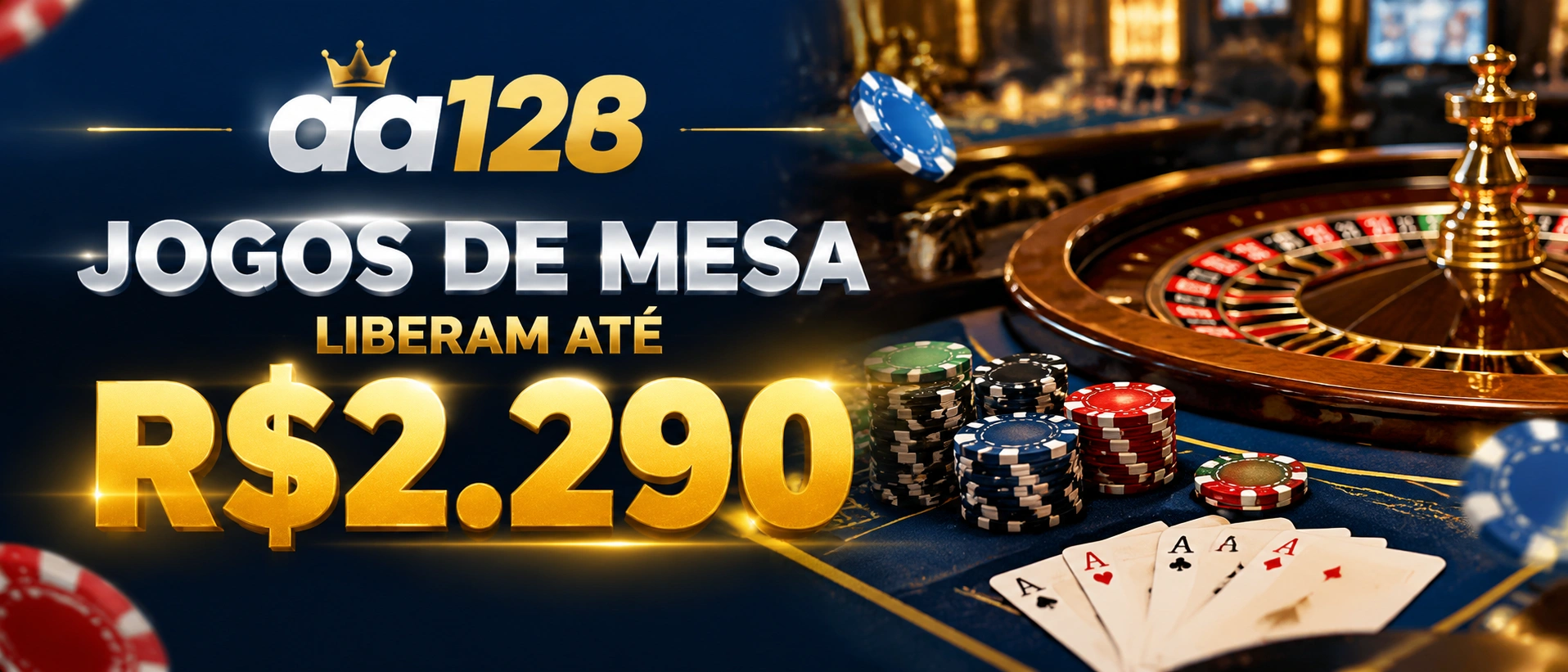
Another visual reading for those who want to compare tables without losing sight of the difference between rule, pace, and decision.